
🌿 Calming Tips for Sound‑Sensitive Dogs: Gentle Support for a Noisy World
Some dogs hear the world more intensely than others. A distant car door, a dropped spoon, a neighbor’s footsteps, or a sudden gust of wind can feel overwhelming. Sound‑sensitive dogs aren’t dramatic — they’re simply tuned into noise in a way that makes everyday life feel unpredictable. These calming tips help your dog feel safe, grounded, and supported when the world gets too loud.
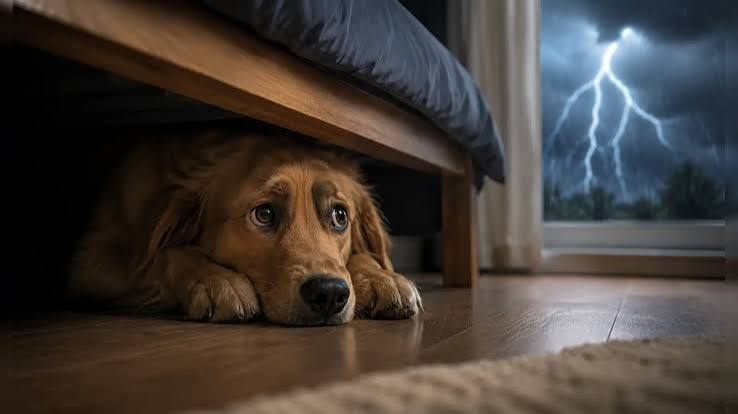

1. Create a quiet, predictable “sound‑safe zone”
Choose a room or corner where your dog can retreat when noise becomes too much. Make it feel like a soft exhale:
- plush bed
- cozy blankets
- gentle lighting
- familiar scents
- minimal foot traffic
This becomes their sanctuary — a place where noise is softened and comfort is amplified.
These products can be helpful tools: Calming dog beds, pheromone diffusers, and heartbeat snuggle toys.
2. Use white noise or calming music to mask stressful sounds
Sound‑sensitive dogs often relax when background noise is steady and predictable. Try:
- soft classical music
- gentle acoustic playlists
- dog‑calming music tracks
- white‑noise machines
Music becomes a protective layer that smooths out sudden sounds and helps your dog settle.
These products can be helpful tools: White‑noise machines, calming music playlists, or small speakers for their safe zone.
3. Let them watch their favorite “comfort movies”
Some dogs relax when watching slow‑paced, animal‑friendly videos. Nature scenes, gentle dog‑friendly movies, or slow‑moving visuals can distract and soothe them when outside noise spikes. It’s not about the story — it’s about predictable movement and calming sound.
These products can be helpful tools: Dog‑friendly video collections or calming nature DVDs.
4. Use gentle pressure to help them feel grounded
Many sound‑sensitive dogs respond well to gentle, steady pressure. It helps regulate their nervous system and reduces panic during loud events. Try:
- slow, consistent strokes
- a calm hand resting on their back
- gentle chest rubs
These products can be helpful tools: Calming vests that provide soft, reassuring pressure.
5. Offer long‑lasting chews during noisy moments
Chewing is a natural stress reliever. It redirects nervous energy and gives your dog something soothing to focus on.
Perfect for:
- fireworks
- thunderstorms
- construction noise
- loud visitors
These products can be helpful tools: Long‑lasting chews, calming treats, and enrichment bones.
6. Use scent to create emotional stability
Dogs experience the world through smell. Calming scents can help them feel anchored when noise becomes overwhelming. Try:
- lavender
- chamomile
- dog‑safe calming sprays
These products can be helpful tools: Calming sprays and pheromone mists.
7. Reduce echo and harsh acoustics in your home
Sound‑sensitive dogs struggle more in rooms where noise bounces around. You can soften the environment by adding:
- rugs
- curtains
- blankets
- soft furniture
These absorb sound and make the space feel quieter and safer.
These products can be helpful tools: Sound‑dampening curtains or acoustic foam panels.
8. Use sound‑canceling ear muffs during high‑noise events
For dogs who panic during fireworks, storms, or loud household noises, sound‑canceling ear muffs can make a dramatic difference. They soften sharp sounds, reduce intensity, and help your dog stay calmer when the world gets too loud.
They’re especially helpful for:
- fireworks
- thunderstorms
- vacuuming
- construction
- loud appliances
These products can be helpful tools: Dog ear muffs designed to reduce noise sensitivity.
9. Practice calm breathing and grounding together
Sit beside your dog and breathe slowly. Your calmness becomes their calmness. This technique is especially helpful during storms or fireworks.
10. Build confidence through gentle training
Short, positive training sessions help sound‑sensitive dogs feel more secure. Confidence reduces anxiety by giving them a sense of control. Reward calm behavior with treats, praise, or touch.
11. Stay calm yourself — they feel your energy
Sound‑sensitive dogs mirror your emotional state. If you tense up during loud noises, they will too. Your calm presence is one of their strongest anchors.
💛 Final Thought
A sound‑sensitive dog isn’t fragile — they’re simply overwhelmed by a world that feels too loud. With gentle routines, sensory support, calming music, comforting visuals, sound‑canceling ear muffs, and the right tools, your dog can feel safe, confident, and deeply understood.