
🌿Calming Tips for Travelling
Travel can be exciting for us — but for many dogs, it’s a mix of unfamiliar sounds, movements, and environments. A dog who travels confidently isn’t fearless; they’re supported. These calming tips help your dog feel safe, steady, and secure no matter how they travel.
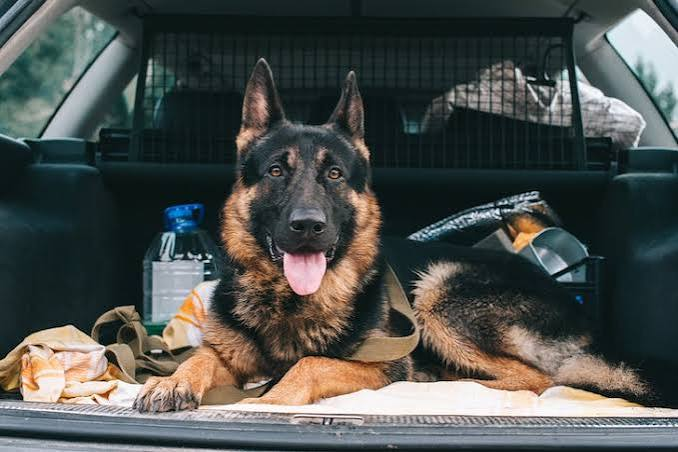
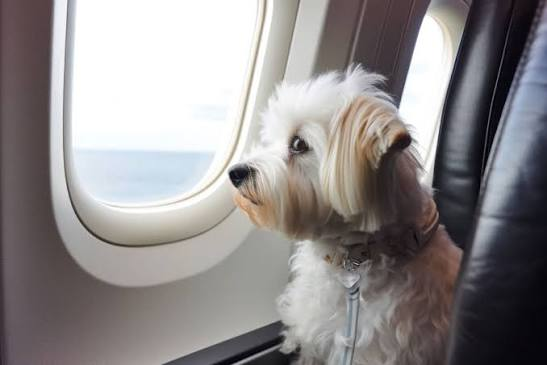
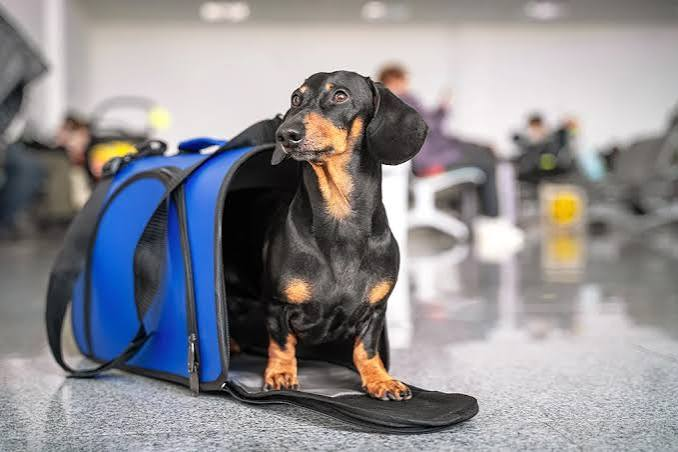
1. Create a familiar “travel comfort kit”
Dogs relax when they recognize their surroundings. Pack a small kit that always travels with them:
- a familiar blanket
- a favorite toy
- a worn shirt with your scent
- a small water bowl
- calming chews
This becomes their portable sense of home.
These products can be helpful tools: Travel bowls, calming treats, comfort toys.
2. Build a cozy, secure space for every travel mode
Whether it’s a car, plane, train, or boat, your dog needs a designated safe spot. Make it feel predictable:
- soft bedding
- gentle lighting (if possible)
- minimal noise
- familiar scents
This helps them understand: “This is my space. I’m safe here.”
These products can be helpful tools: Crash‑tested car harnesses, airline‑approved carriers, calming dog beds.
3. Use calming music to soften unfamiliar environments
Travel comes with unpredictable sounds — engines, crowds, announcements. Dog‑friendly music or white noise can help mask stressful sounds and create a soothing bubble around your dog.
These products can be helpful tools: Calming playlists, white‑noise machines, small travel speakers.
4. Offer long‑lasting enrichment during travel
Mental stimulation helps anxious dogs stay focused and calm. Try:
- puzzle toys
- lick mats
- frozen treats (for car or RV travel)
- slow‑feed toys
These keep your dog engaged instead of overwhelmed.
These products can be helpful tools: Puzzle feeders, lick mats, enrichment toys.
5. Practice short “travel sessions” before the real trip
Confidence grows through repetition. Start with tiny practice sessions:
- sit in the car without driving
- spend time in the carrier at home
- walk near buses or trains
- explore docks or ferries
Gradually increase duration. Your dog learns: “This isn’t scary. I know what to expect.”
6. Keep transitions calm and predictable
Dogs feel safest when transitions are smooth. Avoid rushing, loud voices, or sudden movements. Guide them gently into carriers, vehicles, or new spaces. Your calmness becomes their calmness.
7. Use scent to create emotional comfort
Dogs rely heavily on smell to feel secure. Add calming sprays or familiar scents to their travel space.
These products can be helpful tools: Calming sprays, pheromone mists, scent‑pocket comfort toys.
8. Support sound‑sensitive dogs with noise protection
Travel can be loud — engines, crowds, announcements, wind. Sound‑canceling ear muffs can help reduce stress for noise‑sensitive dogs.
These products can be helpful tools: Dog ear muffs designed for noise reduction.
9. Offer breaks, reassurance, and gentle touch
During long trips, give your dog:
- water
- bathroom breaks
- sniff sessions
- soft reassurance
- gentle touch
These small moments help them reset emotionally.
10. Stay calm yourself — they mirror your energy
Dogs traveling for the first time look to you for cues. If you’re calm, they soften. If you’re tense, they tighten. Your presence is their anchor.
💛 Final Thought
A dog who travels confidently isn’t fearless — they’re supported. With familiar scents, cozy spaces, calming music, enrichment, and the right tools, your dog can feel safe, steady, and deeply reassured no matter how they travel.