🌿Calming Tips for Dogs With Separation Anxiety
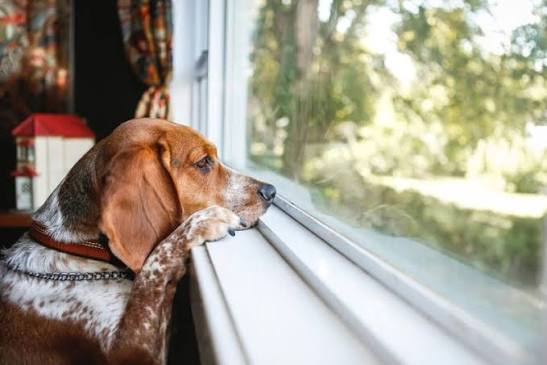
Separation anxiety isn’t about disobedience — it’s about fear. Your dog isn’t trying to be difficult; they’re terrified of being alone. These calming tips help your dog feel safe, confident, and secure even when you’re not home.

1. Create a predictable “goodbye routine”
Dogs feel calmer when they know what’s coming. Use the same sequence every time you leave:
- guide them to their calm zone
- offer a special chew
- give a consistent hand signal or phrase
- leave calmly and quietly
This teaches them: “You’re safe. I always come back.”
These products can be helpful tools: Long‑lasting chews, calming treats, and comfort toys.
2. Build a cozy, secure “calm zone” for alone time
Choose a quiet, comfortable space where your dog can relax while you’re gone. Add:
- a plush bed
- soft blankets
- familiar scents
- gentle lighting
- minimal noise
This becomes their emotional anchor — a place where nothing bad happens.
These products can be helpful tools: Calming dog beds, pheromone diffusers, heartbeat snuggle toys.
3. Use dog‑friendly music to reduce stress
Soft music or white noise can help mask outside sounds and create a soothing environment. Classical music, gentle acoustic playlists, or dog‑calming tracks work especially well.
These products can be helpful tools: White‑noise machines or calming music playlists.
4. Offer long‑lasting enrichment to keep their mind busy
Mental stimulation reduces anxiety by giving your dog something positive to focus on. Try:
- puzzle feeders
- lick mats
- frozen treats
- slow‑feed toys
These keep your dog engaged instead of panicking.
These products can be helpful tools: Puzzle feeders, lick mats, enrichment toys.
5. Practice gradual alone‑time training
Start with very short separations — seconds, not minutes. Reward calm behavior immediately. Slowly increase the duration over days or weeks.
This builds confidence and teaches your dog that being alone is safe.
6. Avoid emotional goodbyes and dramatic returns
Big reactions can increase anxiety. Keep departures and arrivals calm, quiet, and predictable. Your dog learns that alone time isn’t a crisis.
7. Use scent to create emotional comfort
Your dog connects deeply through smell. Leave something that smells like you in their calm zone — a worn shirt, blanket, or pillow.
These products can be helpful tools: Calming sprays, pheromone mists, comfort toys with scent pockets.
8. Try dog cameras for visual reassurance
Some dogs relax when they can hear or see you through a camera. You can speak softly, check in, or offer reassurance during stressful moments.
These products can be helpful tools: Dog cameras with two‑way audio.
9. Give them physical exercise before you leave
A tired dog is a calmer dog. A walk, sniff session, or gentle play before you leave helps reduce anxiety and restlessness.
10. Stay calm yourself — they mirror your energy
Dogs with separation anxiety are extremely sensitive to your emotional state. If you’re tense, they become tense. Your calmness becomes their calmness.
💛 Final Thought
A dog with separation anxiety isn’t broken — they’re scared of losing their safe person. With gentle routines, sensory support, calming music, enrichment, and the right tools, your dog can learn to feel secure, confident, and deeply supported even when you’re not home.